

What do kookaburras symbolise?
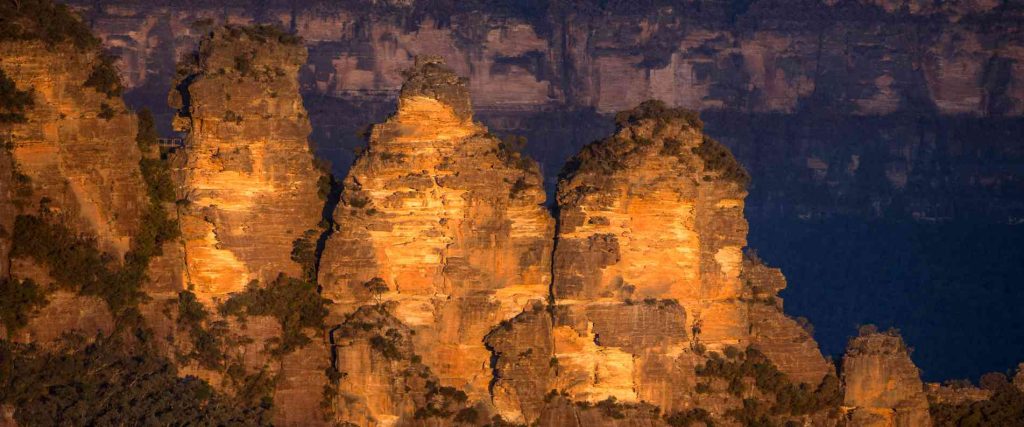
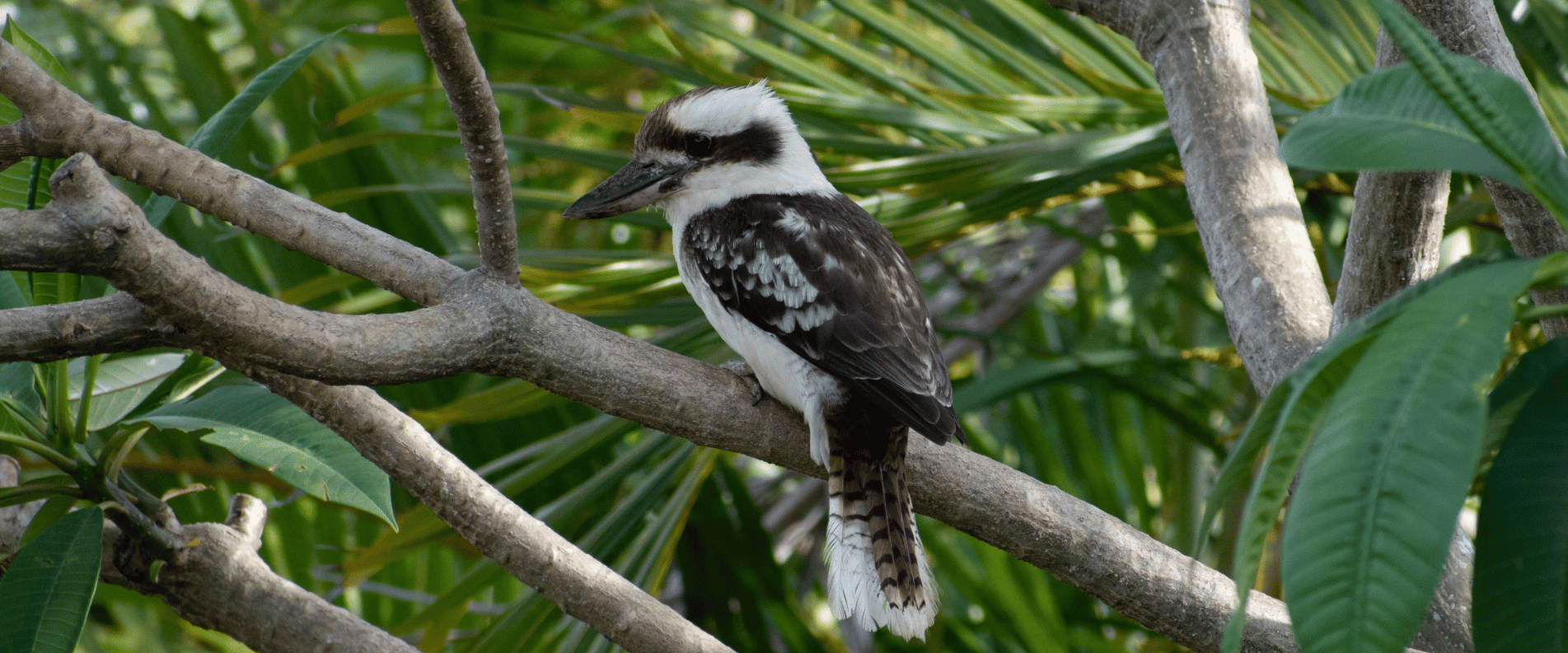
Go on any hike through the Blue Mountains, and you’ll likely hear the laughter of a wild kookaburra in the bush. The kookaburra has a highly distinctive laugh, one that you’ll hear everywhere you go while you’re on a hike through the bush.
Kookaburras are a type of Australian kingfisher well known for their loud, echoing laugh. The actual name ‘kookaburra’ comes from the sound ‘guuguubuura’ from the Wiradjuri language.
Some cool facts about kookaburras:
- They are carnivorous birds…They can also be quite savage and can eat the offspring of other animals.
- Kookaburras are the largest species of kingfisher.
- They can live for up to 20 years in the wild.
- Females can lay up to 5 eggs in a nest at once. The kookaburra’s family can tend to these eggs when they hatch.
The kookaburra’s laugh
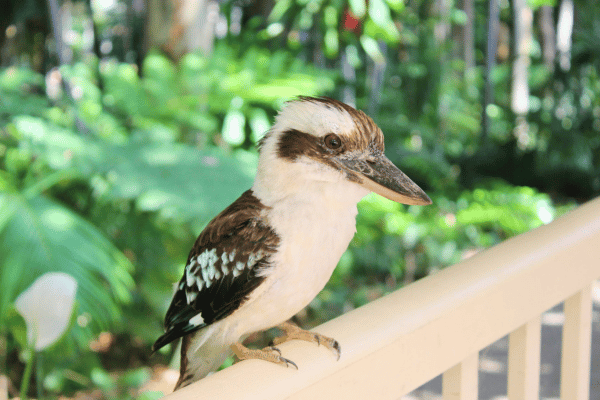
- Indigenous beliefs about the kookaburra’s laugh are that they should not be mocked or laughed at by humans.
- Kookaburras have a ‘laugh’ both at dawn and at dusk, so they can establish their territory. But according to Aboriginal lore, they should not be laughed at or mocked – they are the only animal allowed to do the laughing! Mocking a kookaburra can bring bad fortune.
- They have a cackle that echoes throughout the trees! Their ‘laugh’ can be heard in the mornings, which is a sign that they are welcoming the day ahead.
- Many Dreamtime stories feature kookaburras. They are often a sign of good luck and good fortune.
- There is a lot of symbolism surrounding kookaburras, the biggest one being that they are a sign of loyalty.
Where to spot a kookaburra
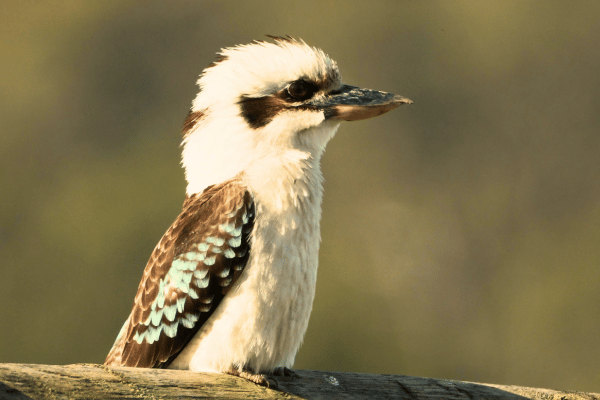
Look out for the blue-winged kookaburras! They have a stripe of blue on the top of each wing – you can’t miss it! There are heaps of walking tracks around the Blue Mountains that are home to these cheeky laughing birds.
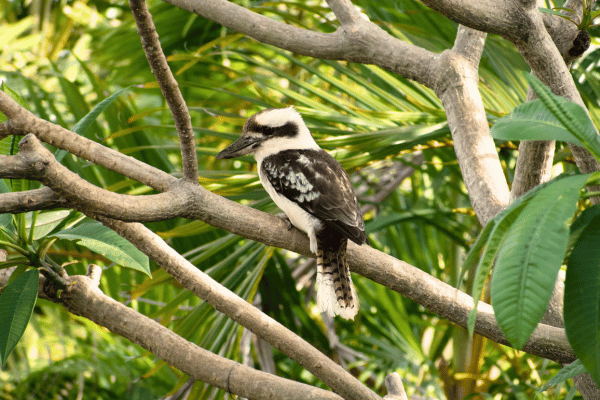
Spotting a kookaburra? Walk around the Blue Mountains early in the morning, and you will hear them as they welcome the beginning of a new day.
Other Tips & Articles